
|
|||||||||
|
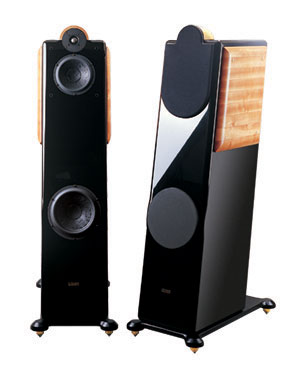
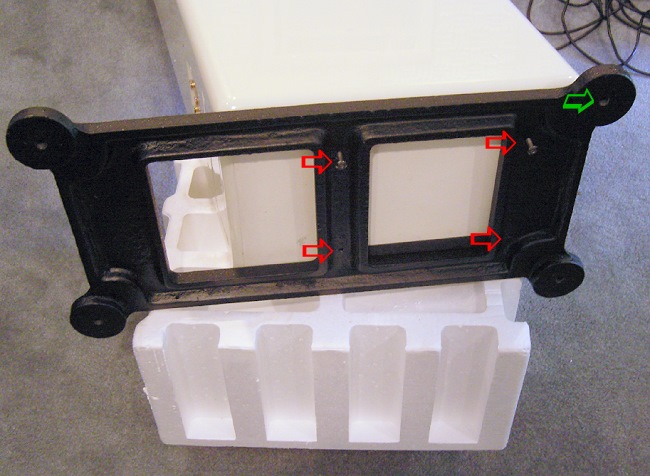
Introduction Usher is one of these speaker companies whose products I have always drooled over at conventions because they have the look of fine furniture. The company has several lines, including the 6 Series and Dancer Series. The 6 Series - of which the CP-6381, reviewed here, is a member - has several models. The CP-6381 is near the top of that line. If you look at the photo on the left, it is obvious that the color/wood scheme is very modern. The wood is considered an accent, with the colored portion making up most of the enclosure. Black can sometimes appear very plain, but Usher has turned it into art. They are also available in white (the review sample), yellow, red, and silver. The colors are not stains or paints, but molded polymer, so they look like the finish on a car or yacht. My picture of the audiophile who purchases a member of this line would be about 25-45 in age, and I might have said . . . making a good living. But, to my surprise, these beauties are only $3,400/pair. Keep in mind they are more than four feet tall, a three way design, and weigh nearly 140 pounds each. If you haven't shopped around, that is a lot of speaker for $3,400/pair. How do they make them for this price? Like so many things these days, Usher speakers are built in Asia. The tweeter is silk dome, while the midrange and woofer are paper cones. You can see in the photo that the woofer has a rough surface. This is because it is made using pulp paper that is laid over a mold to dry, rather than forcing a dried paper sheet into the cone shape. What this does is relieve the cone of stress that occurs when the cone is forced into its shape. Paper cones have been around since the invention of speakers, way, way back in the early 20th century. Perhaps it was because that is all they had then, and it was inexpensive. But, as it turns out, paper is a wonderful material to use. It's light and strong, and it doesn't stretch like rubber material. That is why it is still used today. Not because it's cheap, but because it's good. The CP-6381 This particular model is three-way design, with a 1.25" silk dome tweeter, 7" midrange, and 8" woofer. It comes with the base separate, so you need to install that yourself. First, lay the speaker with the bottom propped up on something. I used the styrofoam packing material. Then, with at least two of the included bolts in hand, place the cast iron base against the bottom, lining up the holes so that you can hand screw the two top bolts into place, which will hold the base so that you can put in the remaining two bolts and screw them all in tight (red arrows in photo). The base must be attached so that the protruding end is to the rear of the speaker. This is because the CP-6381 leans backward to aim the sound at a slight upward angle.
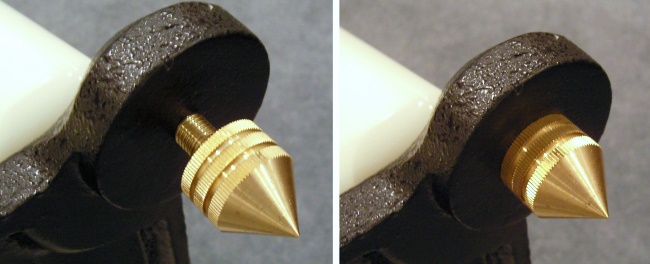
Then you screw in the included brass feet, one at each corner (green arrow above, and photo below).
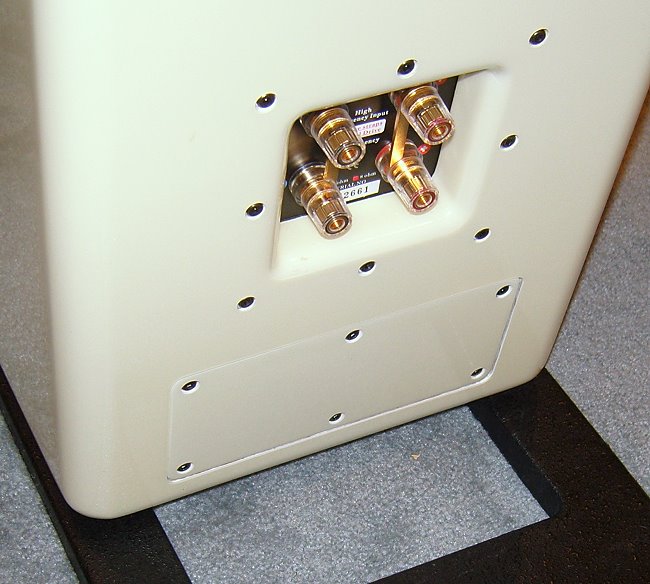
There are also some included metal discs that you can use if you have rugs or wooden floors that you don't particularly care to punch holes in. The binding posts have four connectors for bi-wiring or bi-amping.
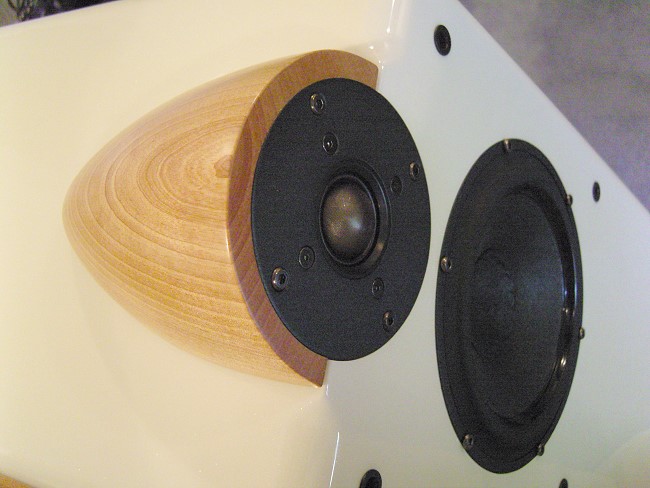
The tweeter sits with about half of its enclosure above the top of the main enclosure.
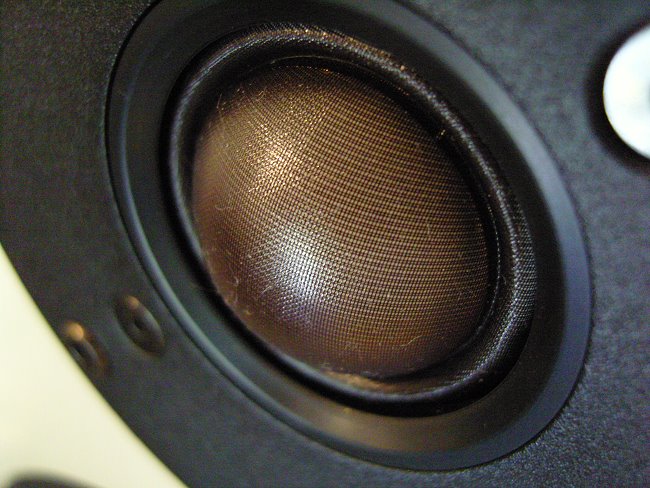
This close-up of the tweeter shows its fabric design. The material is doped with an adhesive to make it stiff.
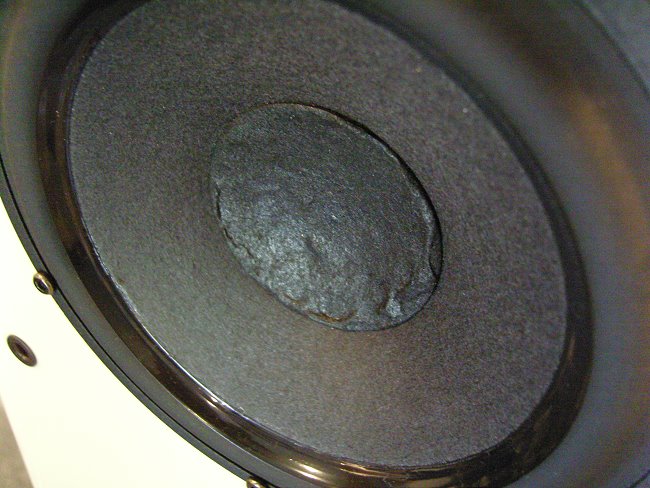
The midrange uses a pulp cap, but the main body of the cone is a conventional paper design. The midrange driver and woofer each have their own separate enclosure internally, and each is ported in the rear.
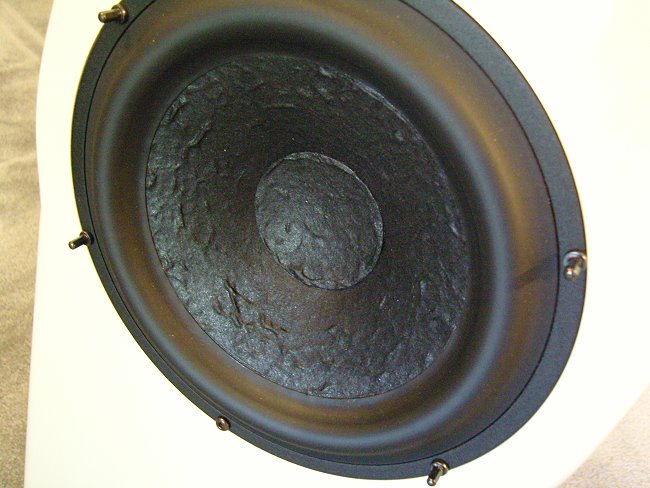
The woofer cone is totally a paper pulp design.
|
|||||||||






 YouTube
 Facebook
 Twitter
 LinkedIn
 Pinterest
 Google+
 Instagram
Magazine Publishing Solutions by
 Advontemedia